








Web Designing Made Easy with Virtual Learning
Learn web design easily from home with virtual classes. Build creative websites, get practical skills, and start your web design career.
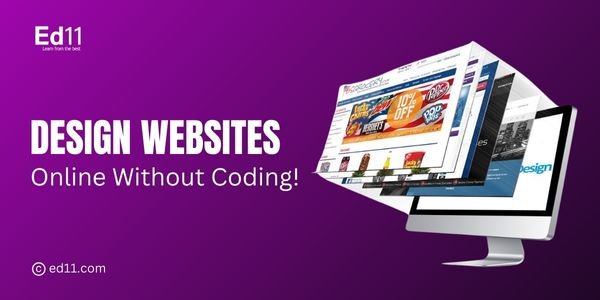
The digital world is expanding at a remarkable pace, and having web design skills has become essential for those wanting to create visually appealing and functional websites. As a web design specialist, I have seen firsthand how mastering web design has transformed careers, businesses, and creative endeavors. My journey in web design started with traditional classroom training, but virtual learning has revolutionized the way ambitious designers acquire these skills. Web design is now more flexible and accessible because of virtual learning, which allows students to learn it from any location in the world. Online courses and real-time collaboration. Virtual learning provides countless opportunities for getting into the dynamic world of web design, regardless of your level of expertise as a developer or your desire to improve your abilities.
What is web design?
Web design refers to the process of creating and designing websites that are visually appealing, user-friendly, and functional. It involves a combination of aesthetics, usability, and technical aspects to ensure a smooth online experience for users.
Importance of Web Design in the Digital World
A website serves as a company's belonging, marketing tool, and center for consumer interaction in the rapid digital age.
-
First Impressions Matter: Your website is often the first interaction customers have with your brand. A modern, well-designed site builds trust instantly.
-
Enhances User Experience (UX): A good web design ensures easy navigation, fast loading times, and mobile responsiveness, making it user-friendly.
-
Boosts SEO & Visibility: Google ranks well-structured, mobile-friendly websites higher in search results, driving more traffic to your business.
-
Strengthens Brand Identity: A unique web design reflects your brand’s personality, making your business stand out from competitors.
-
Increases Conversions & Sales: Clear call-to-actions (CTAs) and a seamless design lead to higher engagement, more leads, and increased sales.
-
Mobile Responsiveness is Key: Over 60% of users browse on mobile devices. A responsive design ensures your site looks great on all screens.
Why Choose Virtual Learning for Web Designing?
-
Learn Anytime, Anywhere: One of the biggest advantages of virtual learning is the flexibility it offers. You can access web design courses from the comfort of your home, at your own pace, without the constraints of physical classrooms.
-
Cost-Effective Education: Enrolling in a virtual web design course is often more affordable than attending in-person training. With no travel or accommodation costs, online courses provide budget-friendly options for learners.
-
Access to Expert Instructors: Virtual learning platforms offer courses from industry experts who have years of experience in web design. Learning from these professionals ensures that you gain industry-relevant knowledge and best practices.
-
Hands-On Learning Experience: Many virtual web design courses include hands-on projects, assignments, and live coding sessions that allow learners to apply what they learn in real time.
-
Updated Curriculum and Resources: Web design trends and technologies are constantly evolving. Virtual courses are regularly updated to include the latest advancements, ensuring that learners stay ahead in the industry.
Essential Skills for Web Designing
To become a successful web designer, you need a mix of technical skills, creativity, and problem-solving abilities.
-
HTML & CSS : HTML (HyperText Markup Language) structures web pages.
CSS (Cascading Style Sheets) styles and formats them. -
JavaScript & jQuery: JavaScript adds dynamic features like animations, sliders, and pop-ups. jQuery is a library that simplifies JavaScript coding.
-
Responsive Design & Mobile Optimization: Websites must look great on all screen sizes (desktops, tablets, and mobiles). Learn CSS Flexbox, Grid, and media queries for responsiveness.
-
UX/UI Design Principles: Create user-friendly, intuitive designs. Understand color psychology, typography, and layouts.
-
Graphic Design & Prototyping: Use tools like Adobe Photoshop, Figma, or Sketch for design mockups. Create engaging graphics, icons, and UI elements.
-
Basic SEO Knowledge: Optimize websites for better Google rankings.
Learn about meta tags, image optimization, and fast loading speeds.
Hands-On Learning: Practical Projects You Can Build
Learning web design and development is best done through practical projects. Here are some exciting hands-on projects to build and boost your skills
-
Personal Portfolio Website: Skills Used: HTML, CSS, JavaScript, Responsive Design Why? Showcase your skills, projects, and resume to potential employers.
-
Responsive Business Website: Skills Used: HTML, CSS, Bootstrap, Flexbox/Grid Why? Learn how to create a fully functional business website.
-
E-Commerce Product Page: Skills Used: HTML, CSS, JavaScript. Why? Simulates a real-world online shopping experience.
-
Blogging Website with CMS: Skills Used: WordPress, PHP, CSS Why? Learn how to work with CMS platforms.
-
Interactive Quiz App: Skills Used: JavaScript, jQuery, CSS. Why? Learn form validation & logic-based programming.
Career Opportunities After Learning Web Design
Web design is a high-demand skill in today’s digital world, opening up various career paths. Here are some exciting job roles you can explore after mastering web design
-
Web Designer: Create visually appealing, user-friendly website layouts. Skills: HTML, CSS, JavaScript, UX/UI, Adobe Photoshop, Figma.
-
UI/UX Designer: Focus on user experience (UX) and interface (UI) design. Skills: Wireframing, prototyping, Figma, Adobe, Adobe, and usability testing.
-
Front-End Developer: Convert designs into fully functional websites.
Skills: HTML, CSS, JavaScript, React, Bootstrap, Tailwind CSS. -
Full-Stack Developer: Handle both front-end (UI) and back-end (database, servers). Skills: MERN stack (MongoDB, Express, React, Node.js) or LAMP stack (Linux, Apache, MySQL, PHP).
-
WordPress Developer: Build & customize websites using WordPress & plugins. Skills: WordPress, PHP, Elementor, WooCommerce.
-
E-Commerce Web Developer: Develop online shopping platforms.
Skills: Shopify, WooCommerce, Magento, JavaScript.
Web design has never been easier to learn, thanks to virtual learning. Whether you’re a beginner looking to build your first website or a professional aiming to refine your skills, online courses provide the flexibility, affordability, and hands-on experience needed to master web design. With a strong foundation in HTML, CSS, JavaScript, and UI/UX design, you can create stunning, user-friendly websites and open doors to exciting career opportunities in web development, freelancing, and digital marketing.