











Master Java Coding in Virtual Learning
Master Java coding easily with virtual learning. Learn online from basics to advanced level and build strong programming skills for your career.
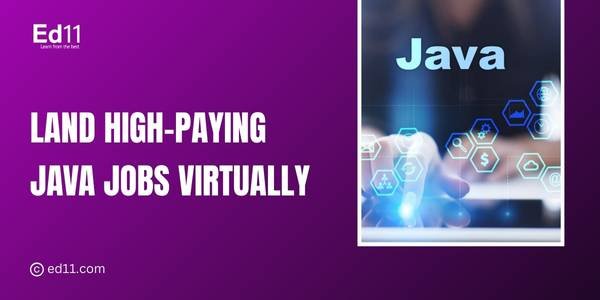
Learning a programming language like Java has never been easier. As someone deeply passionate about coding and teaching, I have been part of this industry for several years. But it wasn't until I became a Java course specialist that I realized the true potential of Java Online with Virtual Classes. My journey began with traditional classroom teaching, but the shift towards virtual learning opened up new and exciting opportunities for both educators and students. Java Online with Virtual Classes offers flexibility, convenience, and personalized learning experiences like never before. I have seen students from different backgrounds, locations, and skill levels mastering Java coding faster than ever because of Java Online with Virtual Classes. Created a perfect learning environment for coding enthusiasts. Java Online with Virtual Classes helps students stay motivated, interactive, and focused on their coding journey.
Why Java is Still In-Demand
Java continues to dominate the programming world even after decades of its creation. Here's why it’s still a top choice among developers and companies.
-
Platform Independence: Java’s “Write Once, Run Anywhere” capability allows code to run on any device with a Java Virtual Machine (JVM). This makes Java ideal for cross-platform development.
-
Enterprise Usage: Big companies like Amazon, Google, Netflix, and banking institutions rely heavily on Java for building scalable, secure, and high-performance applications.
-
Backend Powerhouse: Java powers backend systems for web applications, enterprise software, Android apps, and cloud-based services.
-
Versatility: From desktop applications and mobile apps to embedded systems and big data, Java fits everywhere.
-
Rich Ecosystem: Java has a strong ecosystem of frameworks (Spring, Hibernate), tools, and libraries that support faster development and enterprise-level applications.
Why Java is Still In-Demand
Learning Java in a virtual world offers learners endless opportunities to build skills, gain global exposure, and stay industry-relevant — all from the comfort of their homes.
-
Java is Beginner-Friendly Yet Powerful
Java’s clean syntax and object-oriented approach make it an excellent starting point for beginners while also being powerful enough for advanced developers to build complex applications. -
Global Learning Without Boundaries
Virtual learning breaks geographical limits. Whether you're in a small town or a big city, you can access Java courses taught by world-class instructors from anywhere. -
Real-Time Coding Practice & Virtual Tools
Online platforms provide interactive coding environments where you can write, compile, and run Java code without needing to set up a complex development environment on your own. -
Ready Access to Learning Resources
Virtual learning provides instant access to Java documentation and
coding tutorials. -
Growing Remote Job Opportunities in Java
As companies embrace a remote work culture, skilled Java developers can land remote roles across industries — from software development and backend systems to Android app development.
Essential Java Topics to Master
-
Basic Syntax and Data Types—Understand variables, data types, operators, and control statements (if, for, while).
-
Object-Oriented Programming (OOP)—Learn core OOP concepts like classes, objects, inheritance, polymorphism, encapsulation, and abstraction.
-
Exception Handling—Master try-catch blocks, custom exceptions, and best practices for error handling.
-
Collections Framework—Explore List, Set, Map, Queue, and their implementations like ArrayList, HashMap, HashSet, and LinkedList.
-
Java Input/Output (I/O)—Work with file reading/writing, BufferedReader, FileInputStream, serialization, and streams.
-
Multithreading and Concurrency—Learn how to create threads, synchronize code, and use concurrency utilities.
-
Java 8 Features—Master lambda expressions, Stream API, functional interfaces, and the new Date-Time API.
-
Generics—Understand type parameters, generic methods, and wildcards to write type-safe code.
Virtual Learning Best Practices for Java
- Set Clear Goals: Define what you want to achieve — whether it's mastering core Java, preparing for interviews, or building projects.
- Follow a Structured Roadmap: Learn Java step-by-step starting from basics, OOP concepts, collections, exception handling, multithreading, and Java 8 features.
- Practice Regular Coding: Use online platforms like HackerRank, LeetCode, or CodeChef to solve Java problems daily for better logic building.
- Engage in Interactive Learning: Attend live online classes, webinars, or coding bootcamps for real-time interaction with mentors and peers.
- Work on Real-Time Projects: Apply your learning by building small projects like a calculator, student management system, or online banking app in Java.
- Use Collaboration Tools: Learn to use Git, GitHub, and IDEs (like IntelliJ IDEA and Eclipse) and collaborate on coding assignments or group projects online.
- Participate in Online Communities: Join Java learning forums and WhatsApp/Telegram groups, and follow Java experts on platforms like Stack Overflow and LinkedIn.
- Manage Time & Stay Consistent: Create a daily or weekly learning schedule and stick to it for consistent progress.
Tools & Resources for Java Learners
Here are some essential tools and resources that will help Java learners practice and grow effectively
- Code Editors & IDEs
IntelliJ IDEA (Most popular for Java)
Eclipse (Beginner-friendly & widely used)
NetBeans (Good for Java GUI development) - Online Coding Practice Platforms
HackerRank (Java challenges & competitions)
LeetCode (Best for Java interview preparation)
CodeChef (Practice coding problems in Java)
CodingBat (Simple Java exercises for beginners) - Version Control & Collaboration Tools
Git (Version control system)
GitHub (Collaborate & share Java projects)
Bitbucket (Code repository hosting) - Java Libraries & Frameworks (For Advanced Learning)
Spring Framework (Enterprise Java Development)
Hibernate (Database Connectivity)
Maven/Gradle (Project build tools) - Java Community & Forums
Stack Overflow (Ask & Answer Java Questions)
Reddit Java Community (/r/java)
Java Programming Groups on LinkedIn & Telegram
Real-World Applications of Java Coding
Learning Java coding isn’t just about theory—it has real-world applications. Here's where you can apply your skills
-
Web Development—Java is widely used to build dynamic and secure web applications using frameworks like Spring and Hibernate.
-
Android App Development—Java is one of the primary languages for building Android mobile applications.
-
Enterprise Applications—Java powers large-scale enterprise systems, especially with Java EE (Enterprise Edition), used by banks, insurance companies, and governments.
-
Desktop GUI Applications—Java's Swing and JavaFX libraries are used to create desktop-based graphical user interface applications.
-
Cloud-Based Applications—Java is often used to build scalable cloud-based solutions using platforms like AWS, Google Cloud, and Microsoft Azure.
-
Big Data Technologies—Java works behind the scenes in big data processing tools like Apache Hadoop and Apache Spark.
-
Internet of Things (IoT)—Java is used in embedded systems and IoT devices for processing and communication.
-
Scientific Applications—Java’s robustness and portability make it a good fit for developing scientific and research-based applications.
Benefits of Learning Java Online with Virtual Classes
-
Flexibility of Learning: Java Online with Virtual Classes provides unmatched flexibility. Learners can access study materials anytime, anywhere. Whether you are a working professional or a student, you can manage your learning schedule as per your convenience.
-
Access to Expert Trainers: Virtual learning platforms often have industry experts teaching Java. You can attend live sessions, interact with trainers, and clarify your doubts instantly. This ensures that you are learning from the best in the field.
-
Interactive Learning Environment: Java Online with Virtual Classes uses tools like coding simulators, quizzes, and interactive assignments. These features make learning enjoyable and keep students engaged throughout the course.
-
Cost-Effective: Online Java courses are often more affordable compared to traditional classroom training. Learners save on travel and accommodation expenses, making it a budget-friendly option.
-
Certification and Placement Support: Many platforms offering Java online with virtual classes provide certification programs. These certificates add value to your resume and increase your chances of securing a job. Some platforms also offer placement assistance and interview preparation guidance.
Java Online with Virtual Classes has revolutionized the way programming is taught and learned. It has made Java education accessible to anyone with an internet connection. The flexibility, affordability, and expert guidance offered by Java Online with Virtual Classes make it the perfect choice for both beginners and professionals. As a Java course specialist, I highly recommend enrolling in Java Online with Virtual Classes to master Java coding effectively. The future of learning is virtual, and with Java Online with Virtual Classes, you can stay ahead in your coding journey. Embrace the opportunity and unlock your potential as a Java developer.